
Best Time to Visit Northern Pakistan: A Seasonal Breakdown
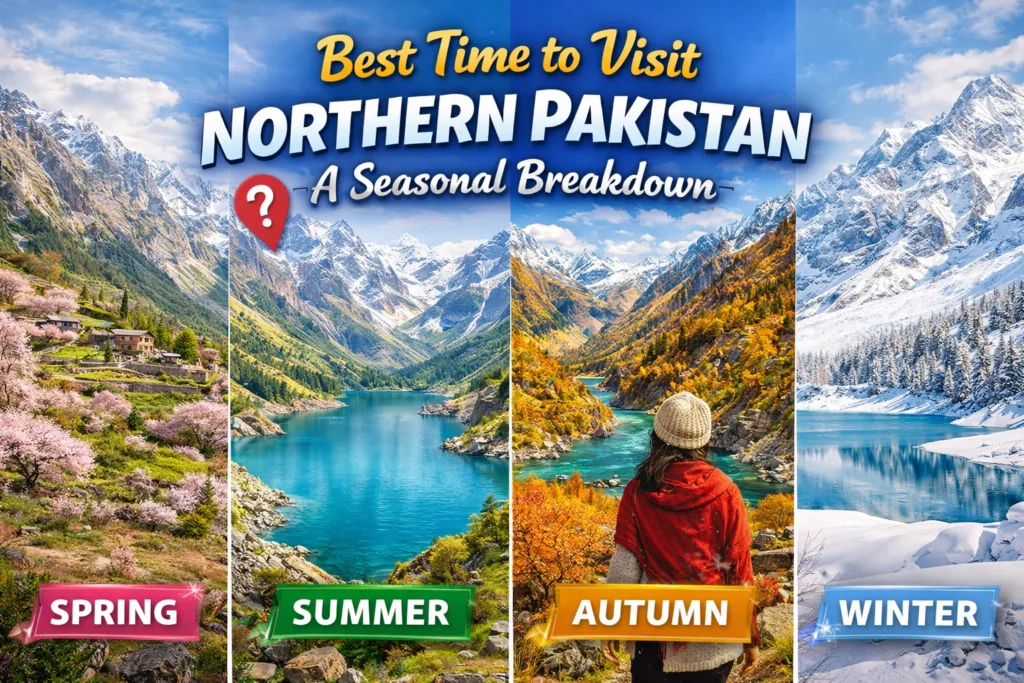
Northern Pakistan is a land of shifting moods—where snow-covered silence turns into lush green valleys, and golden autumn leaves fade into crisp winter air. Choosing the best time to visit depends entirely on the kind of experience you’re seeking. Whether it’s adventure, photography, or quiet escape, each season in places like Hunza Valley and Skardu offers something distinct.
For travellers coming from the UK, timing becomes even more important. The contrast in climate, altitude, and accessibility can shape your entire journey. These travellers often prefer to escape grey skies and head toward Pakistan’s dramatic landscapes during spring or summer, when the region is most welcoming and easy to explore.
Spring (March to May): The Season of Bloom
Spring in Northern Pakistan is subtle yet magical. As the snow begins to melt, the valleys slowly come back to life. Cherry blossoms and apricot trees bloom across Hunza, creating a soft, pastel landscape that feels almost unreal.
Temperatures during this time are mild, especially compared to the UK’s lingering chill. However, some higher-altitude areas may still be partially inaccessible due to leftover snow.
Why visit in spring:
- Fewer tourists and quieter surroundings
- Stunning blossom season, especially in the Hunza Valley
- A peaceful, slow-travel atmosphere
Spring is ideal if you’re after aesthetic beauty and calm rather than adventure-heavy itineraries.
Summer (June to August): Peak Travel Season
Summer is the most popular time to explore Northern Pakistan—and for good reason. Roads are open, the weather is stable, and nearly all tourist destinations are accessible.
Places like Skardu become hubs for travellers, trekkers, and nature lovers. The landscapes are vibrant, with green valleys, flowing rivers, and clear blue skies.
For travellers, summer offers a perfect escape from routine, especially since it aligns with holiday periods. It’s also the easiest time to plan logistics, from transport to accommodation.
Midway through planning your journey, securing a flight to Pakistan from the UK becomes more convenient during this season due to increased travel demand and availability.
Why visit in summer:
- Ideal for trekking and road trips
- Full access to remote areas
- Lively atmosphere with more travellers
However, popularity comes with crowds. If you prefer solitude, summer might feel a bit busy.
Autumn (September to November): Golden Serenity
Autumn is arguably the most underrated season in Northern Pakistan. As summer crowds fade, the landscapes transform into shades of gold, orange, and deep red.
Regions like Hunza Valley become especially photogenic, with tree-lined roads and quiet villages wrapped in autumn colours.
The weather remains pleasant in early autumn, gradually turning cooler as winter approaches. Roads are still accessible, making it a great balance between comfort and tranquillity.
Why visit in autumn:
- Fewer tourists and a peaceful experience
- Incredible autumn foliage
- Perfect for photography and reflective travel
For travellers seeking a more introspective and aesthetic experience, autumn offers a slower, more intimate connection with the landscape.
Winter (December to February): Snow and Silence
Winter in Northern Pakistan is not for everyone—but for the right traveller, it’s unforgettable. Heavy snowfall transforms the region into a quiet, white dream.
Places like Skardu and Hunza become serene and almost isolated. However, travel becomes more challenging, with road closures and limited accessibility.
Temperatures can drop significantly, especially in high-altitude areas.
Why visit in winter:
- Snow-covered landscapes and unique scenery
- Complete solitude and a peaceful experience
- A raw, untouched travel experience
This season is best suited for experienced travellers or those specifically seeking a winter aesthetic.
Choosing the Right Season for You
The “best” time to visit Northern Pakistan ultimately depends on your travel style:
- For adventure and accessibility: Summer is unmatched
- For aesthetics and quiet beauty, Spring and autumn are ideal
- For solitude and snow: Winter offers something rare
If you’re travelling to northern Pakistan, consider how much contrast you want. Summer provides ease and familiarity in terms of weather comfort, while autumn and spring deliver a more cinematic, emotional experience.
Travel Tips for Travellers
Planning a trip to Northern Pakistan requires some thoughtful preparation:
- Plan: Flights and accommodations fill quickly during peak season
- Pack smart: Layered clothing is essential due to temperature variations
- Stay flexible: The weather in mountainous regions can be unpredictable
- Respect local culture: Modest dressing and polite interaction go a long way
Also, keep in mind that travel times within Pakistan can be longer than expected due to terrain and road conditions.
Final Thoughts
Northern Pakistan is not just a destination—it’s a feeling that changes with the seasons. From the blooming calm of spring to the vibrant energy of summer, the golden stillness of autumn, and the quiet depth of winter, each period offers a completely different story.
Whether you find yourself wandering through the peaceful corners of Hunza Valley or standing beneath the vast skies of Skardu, the experience will stay with you long after you leave.
The key is simple: choose the season that matches your mood—and let Northern Pakistan do the rest.

There are no reviews yet.